

Top Reasons to Switch to Non-Spill Couplings
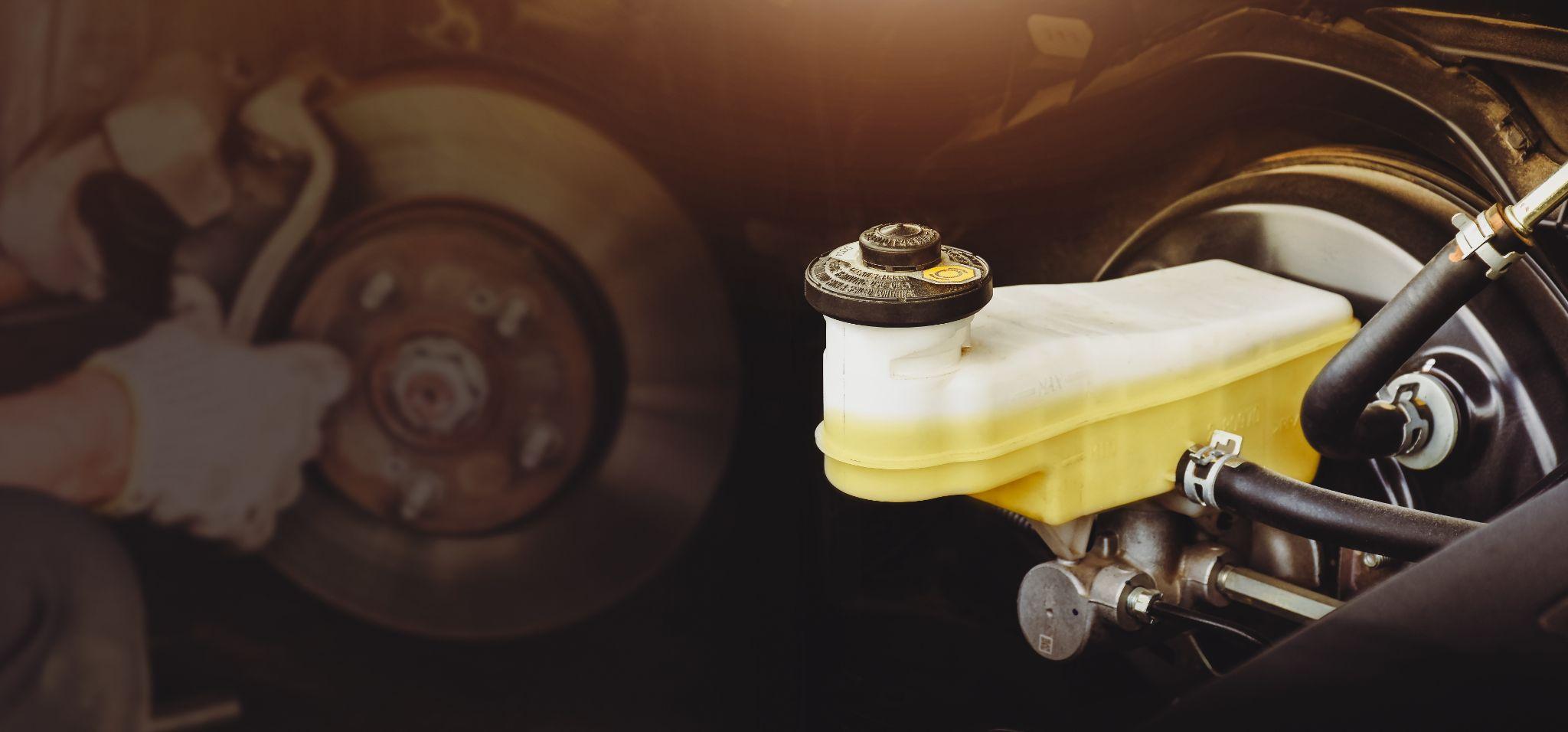
15 February 2024Hydraulic systems rely heavily on their components for efficiency and safety, with couplings being key for fluid transfer. Non-spill couplings are emerging as a critical upgrade over traditional couplings by offering significant advantages such as reducing fluid loss and improving system performance. Adopting non-spill couplings is becoming crucial for industries aiming to enhance operational sustainability and safety.

Advantages of Helical Hydraulic Actuators
05 February 2024Helical hydraulic actuators are a type of high performance hydraulic actuator that provides numerous advantages over other types of actuators. These actuators use a helix-shaped piston, allowing them to achieve high speeds and precision control. With their compact size and excellent power-to-weight ratio, helical hydraulic actuators are widely used in various industries where precise motion control is paramount, such as robotics, aerospace, automation systems, and manufacturing.
10 Essential Tips for Maintaining a Healthy Hydraulic System
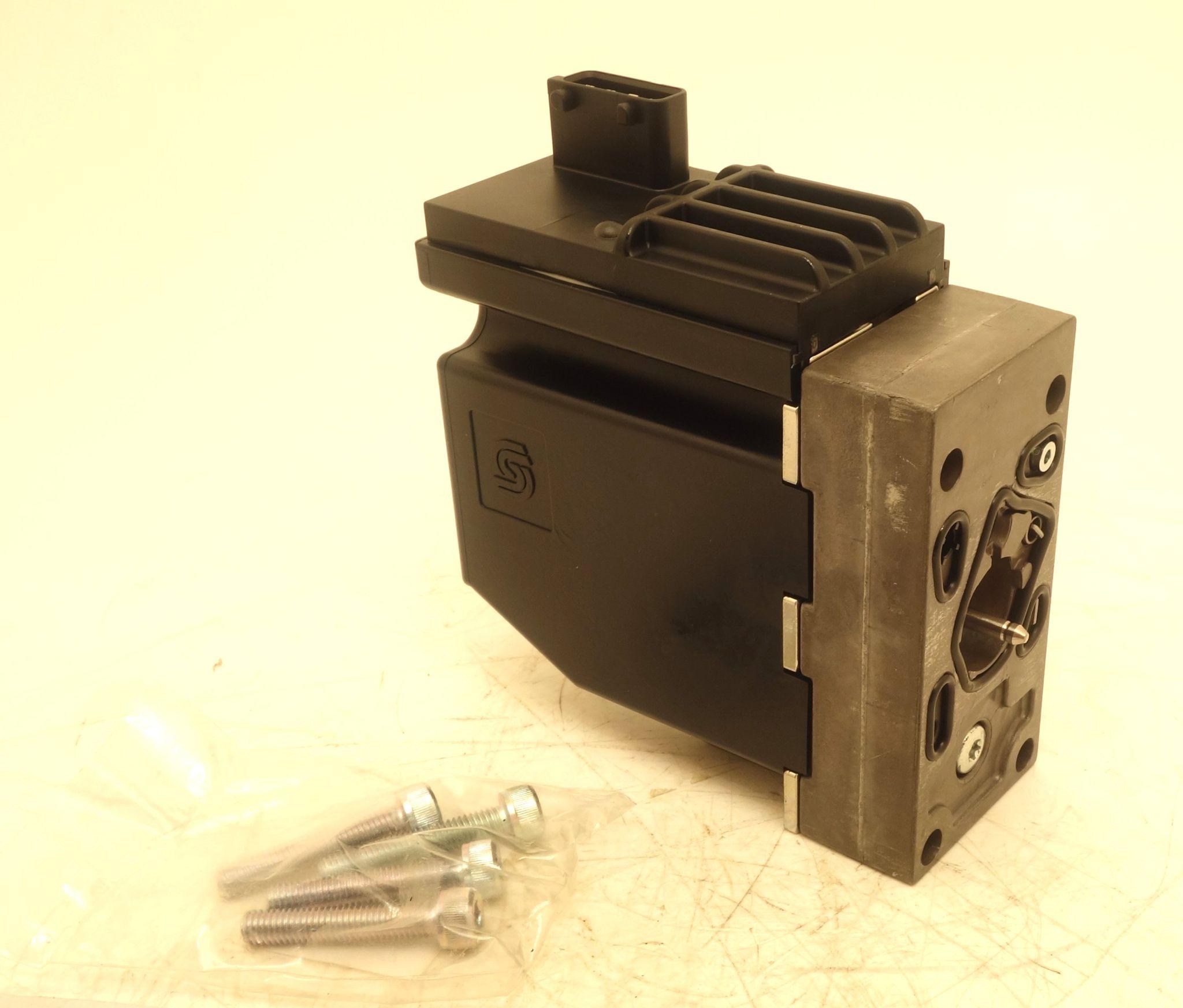
01 February 2024Hydraulic systems are vital for a wide range of equipment, from farm machinery to industrial machines. These systems, which include parts like pumps, valves, and cylinders, need regular care to work well and last long. Neglecting maintenance can lead to problems, costly repairs, and downtime.

How to Read Hydraulic Hose Laylines
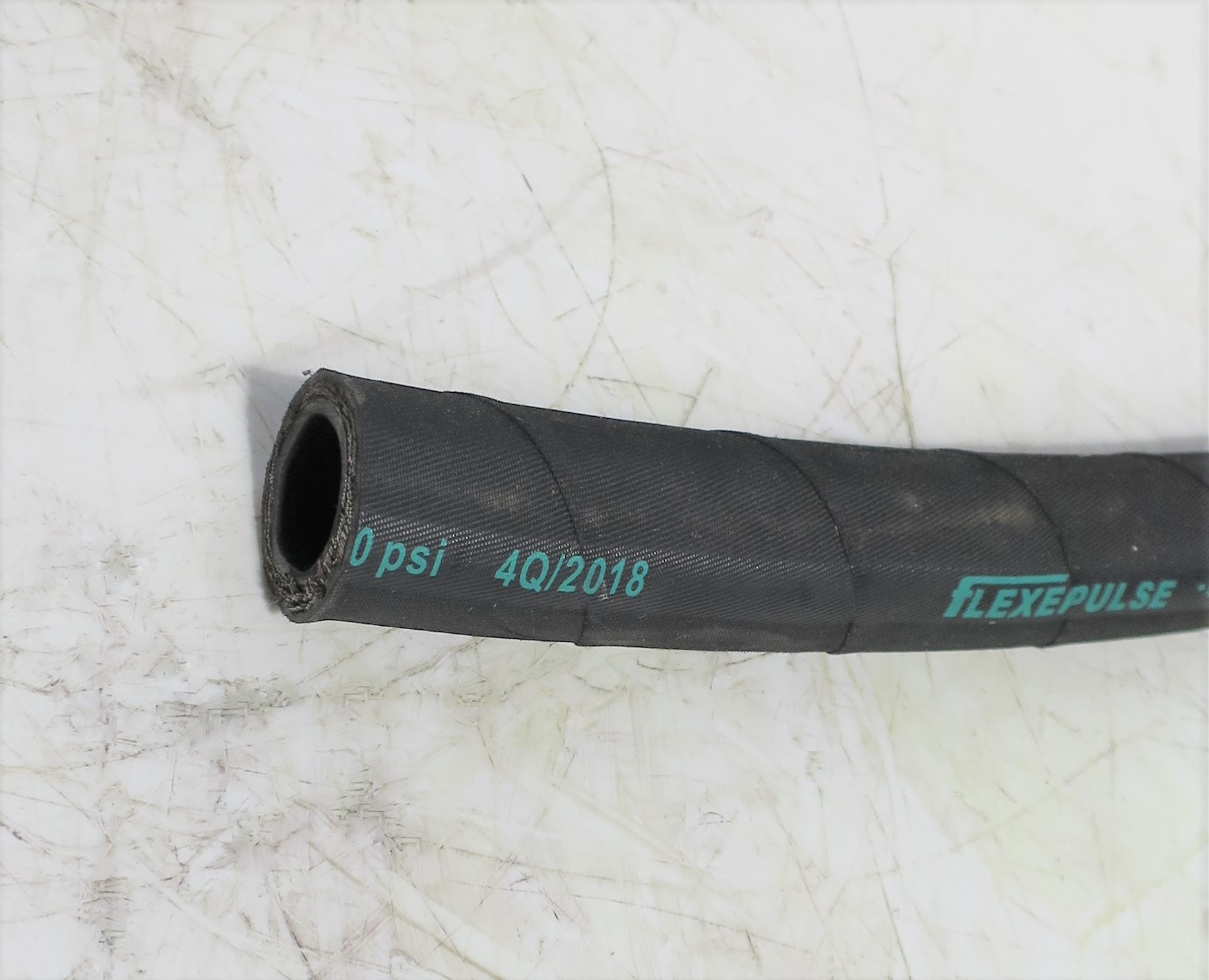
15 January 2024Hydraulic hose laylines may appear to be confusing at first glance, but they hold crucial information that can help you understand the capabilities and limitations of hydraulic hoses. By learning how to read these laylines, you can determine the suitability of a hose for specific applications, identify its key features, and ensure compliance with industry standards and regulations.
How to Improve the Life of Your Hydraulic Pump
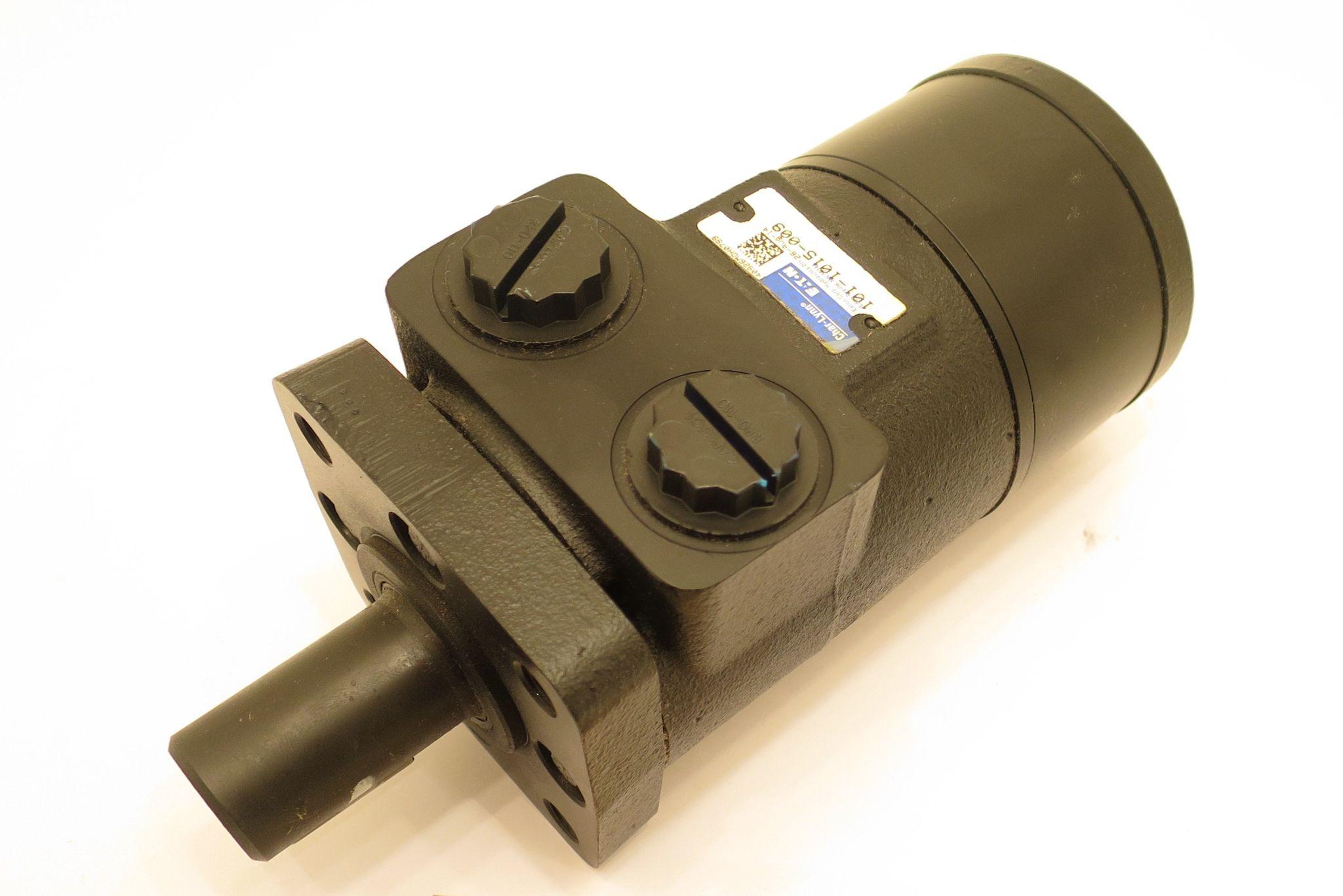
01 January 2024When a failure brings normal hydraulic piston pump operation to a stop, it can cost your business dearly. To help you prevent such malfunctions, let’s take a look at the difference between preventive and routine maintenance, as well as how a hydraulic system maintenance checklist with regular monitoring can safeguard pump lifespan.
Read MoreReducing the Effects of Contamination in Hydraulic Systems
16 December 2023Contamination can be introduced into hydraulic systems from a variety of sources. It is impossible to remove all potential contaminants from a hydraulic system. Rather, the focus of operators, maintenance technicians, and others responsible for the daily use, maintenance, and repair of such systems is to develop solutions to reduce the number of contaminants as best as possible.
Types of Hydraulic Systems
02 December 2023Hydraulic systems utilise fluid mechanics principles to generate, control, and transmit energy. Different types of hydraulic systems cater to specific requirements and applications. These include open-loop hydraulic systems, closed-loop hydraulic systems, continuously variable transmission (CVT) systems, and regenerative hydraulic systems.
How to Make Your Hydraulic System Quieter
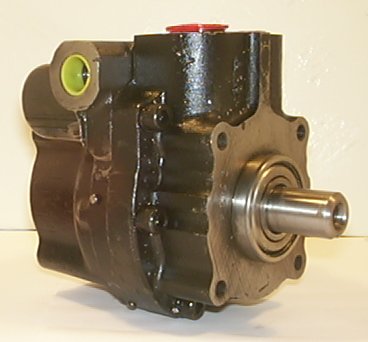
15 November 2023If you’re tired of the loud noises coming from your hydraulic system, explore the various techniques and strategies to help make hydraulic systems operate more quietly. Whether you’re dealing with hydraulic pump noise or excessive vibrations, we have got you covered. By implementing these tips, you will not only be able to enjoy a more peaceful working environment but also increase the overall lifespan of your hydraulic components.

Hydraulic Maintenance Checklist for 2024
02 November 2023Numerous industries rely on hydraulic systems to get work done and handle various tasks, from heavy lifting to compacting and pressing. Hydraulic systems contain multiple parts and components. Just like other types of machinery, the parts and components wear out and need to be replaced.

How Hydraulic Fluid Contamination Can Destroy Performance
16 October 2023Contamination in hydraulic systems is a serious issue that can significantly affect the performance and reliability of the machinery. It refers to the presence of foreign particles, such as dirt, debris, water, or air, within the hydraulic fluid.