





Hydraulic Motor Glossary of Terms
15 October 2025Hydraulic motors are a critical part of many industrial and mobile systems, converting hydraulic energy into mechanical energy to perform essential tasks. These motors are used across a range of sectors, including construction, agriculture, marine, and manufacturing. Understanding the technical language around hydraulic motors helps engineers, technicians, and equipment operators to specify, install, and maintain systems effectively.
Read MoreHydraulic Fluid vs Transmission Fluid: What's the Difference?
14 October 2025When working with machinery or vehicles, you may encounter both hydraulic fluid and transmission fluid. These substances may seem similar at first glance since they are both liquids used in systems that transfer power. However, their applications, chemical compositions, and properties differ significantly.
Read MoreHow to Fix Jerky Hydraulics
08 October 2025Hydraulic systems are renowned for their power, precision, and reliability. However, when a hydraulic mechanism starts to move in a jerky, unpredictable manner, it can signal underlying issues that compromise performance and safety. Understanding how to fix jerky hydraulics, the potential causes, and troubleshooting effectively is essential to restoring smooth, consistent operation.
Read MoreHow Hydraulics Are Used in Aerospace
02 October 2025Hydraulics play a vital role in many industries, including aerospace. They provide the power needed for critical systems in aircraft, spacecraft, and support equipment. The ability to generate high force while maintaining precise control makes hydraulic systems indispensable in modern aviation and space exploration.
Read MoreIf you work in agriculture, you already know how much your equipment relies on hydraulic power. From lifting heavy loads to powering attachments, hydraulics make modern farming more efficient, reducing the physical labour required to get the job done. Whether you're ploughing fields, harvesting crops, or managing livestock, hydraulics ensure smooth, reliable operation across a range of machinery.
Read MoreAre Hydraulic Pumps Fixed Displacement or Variable Displacement?
01 October 2025Hydraulic pumps are the driving force behind hydraulics systems, converting mechanical energy into pressurised fluid movement. These pumps ensure smooth operation in industries such as construction, manufacturing, and aviation.
Read MoreIs Hydraulic Fluid Flammable?
01 October 2025Hydraulic systems are critical in countless industries, from manufacturing and aviation to construction and marine operations. Central to these systems is hydraulic fluid, a medium that transmits power and ensures efficient operation. However, questions often arise regarding safety, like “Is hydraulic fluid flammable?” Understanding this is vital for maintaining safe working conditions and reducing potential fire risks.
Read MoreThe Evolution of Hydraulics in the Construction Industry
01 October 2025Hydraulic systems have revolutionised the construction industry, enabling heavy machinery to perform tasks that would be impossible with manual labour alone. From excavators to cranes, machines that use hydraulics have become essential in modern construction projects.
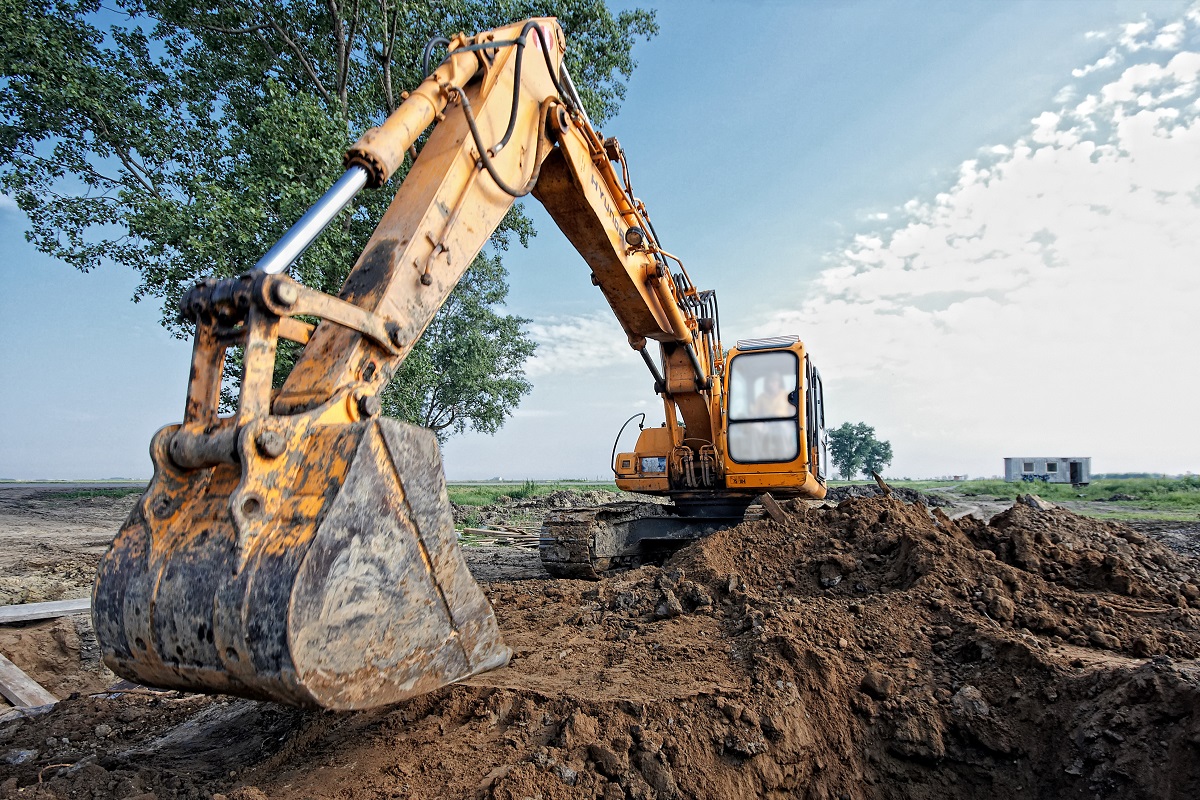
Tips and Tricks for Replacing a Hydraulic Pump
30 September 2025Hydraulic pumps are critical components in many machines, powering essential operations in industries like construction, agriculture, and manufacturing. Over time, these pumps may wear out or fail due to heavy use, leading to reduced system efficiency or complete downtime. Replacing a hydraulic pump can seem daunting, but with the right approach, it’s a manageable task that ensures your machinery runs smoothly and reliably.
Read MoreHydraulic Maintenance Checklist
29 September 2025Hydraulic systems play a vital role in many industries, powering tasks like heavy lifting, compacting, and pressing. These complex systems depend on numerous components that, like all machinery, experience wear and tear over time, requiring regular maintenance and occasional replacement to maintain optimal efficiency.
Read More